
Understanding DC School Closings: A Comprehensive Guide For Parents And Students - DC school closings occur for various reasons, ranging from natural disasters to administrative decisions. Below are some of the most common causes: Addressing the challenges of DC school closings requires collaborative efforts from schools, families, and the community. Below are some potential solutions and resources:
DC school closings occur for various reasons, ranging from natural disasters to administrative decisions. Below are some of the most common causes:
Uncertainty and stress caused by frequent closings can contribute to anxiety and depression among students. Providing adequate support during these periods is crucial for maintaining mental well-being.
Initiatives to bridge the digital divide ensure all students have access to online learning resources.
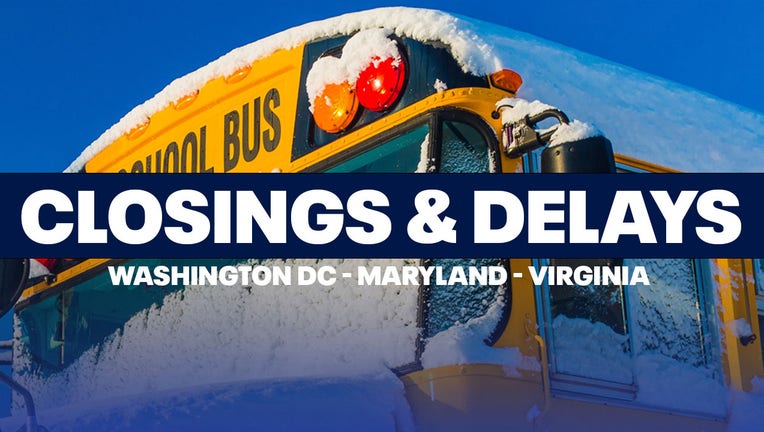
Parents play a critical role in mitigating the effects of DC school closings. Here are some strategies to support your child's education and well-being:
For further reading, explore additional resources on our website or connect with local advocacy groups to stay engaged in this important conversation.
The effects of DC school closings extend beyond the classroom, impacting students' academic progress, social development, and mental well-being. Let's explore these impacts in detail:
In summary, DC school closings are typically a response to unforeseen circumstances that prioritize student and staff safety.
Regularly check updates from school authorities and remain adaptable to changing circumstances.
Incorporate hands-on activities and real-world applications to keep learning engaging and relevant.
DC school closings have become a critical issue affecting thousands of families across the District of Columbia. Whether due to emergencies, weather conditions, or systemic challenges, these closures impact educational continuity and family planning. As a parent, guardian, or student, understanding the reasons behind these closings and how to stay informed is essential for navigating this complex situation.
Investing in robust online learning tools ensures continuity of education during disruptions.
Identify alternative childcare options, such as family members, neighbors, or local programs, to ensure your child is supervised during unexpected closures.